-
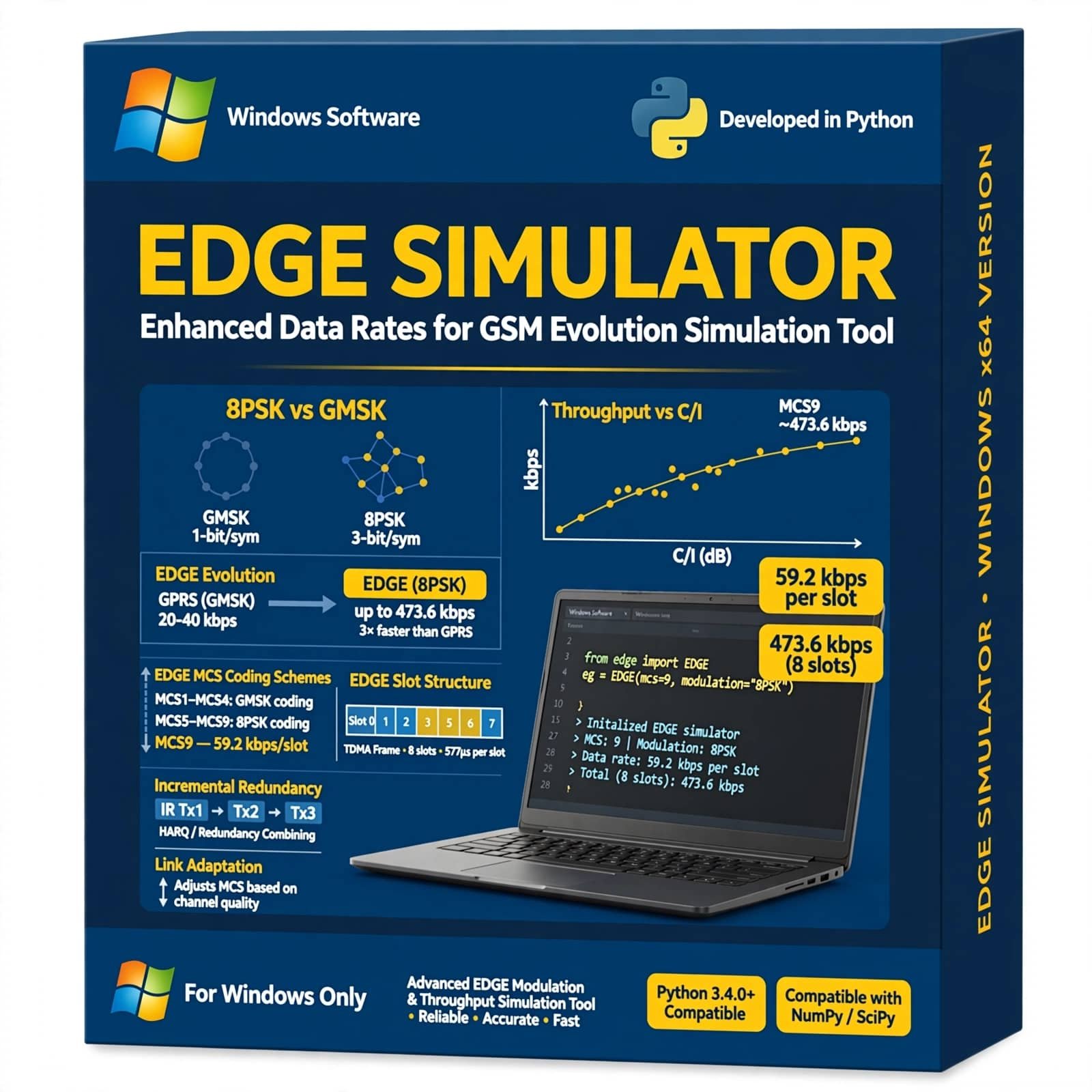
EDGE Simulator Using Python is a practical mobile communication simulation tool designed to demonstrate and analyze Enhanced Data rates for GSM Evolution (EDGE) technology. It helps students, researchers, and communication engineers study GSM/EDGE data transmission, modulation, channel conditions, bit error rate, data rates, and wireless communication performance using Python-based simulation.
₹3,499.00 -
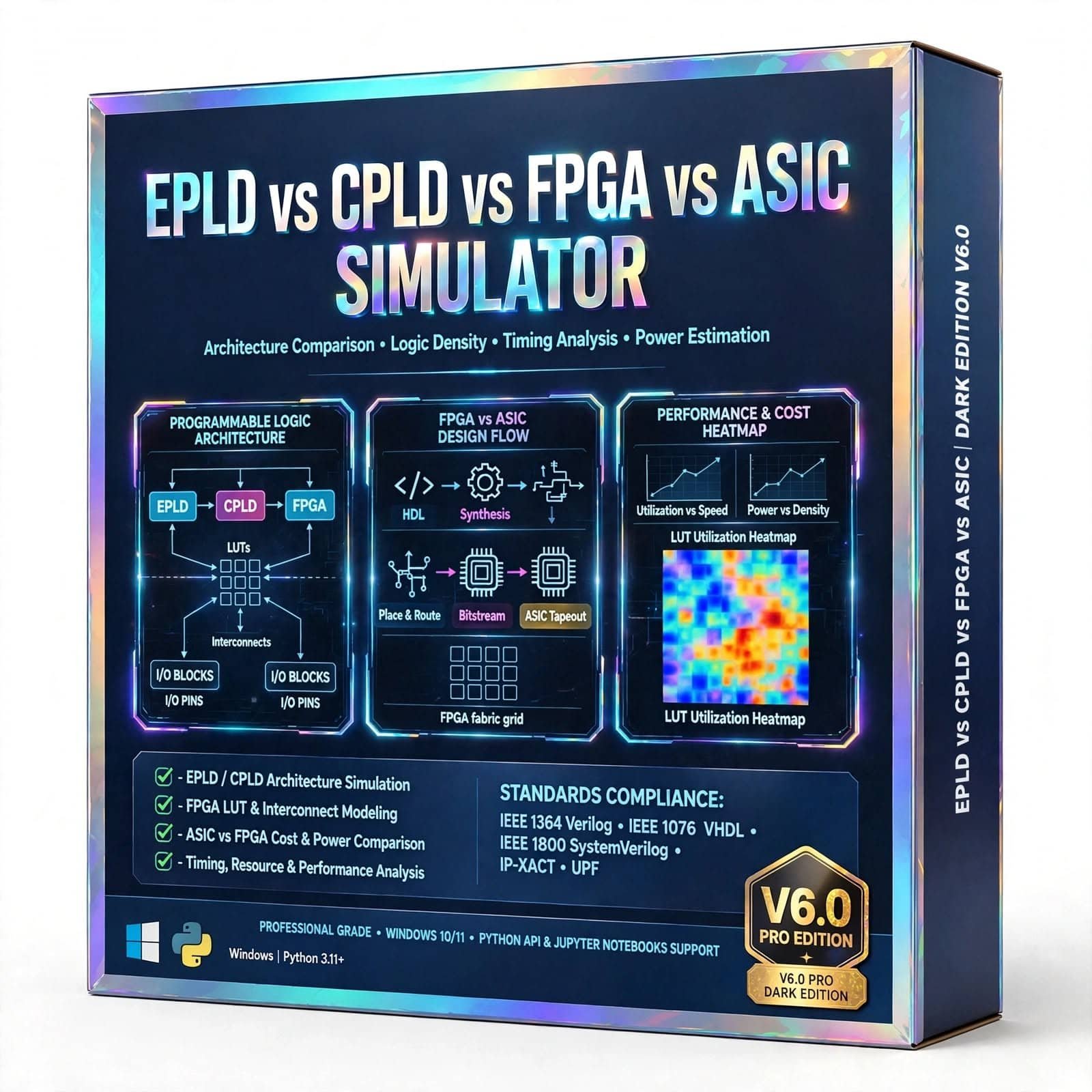
The ultimate EPLD vs CPLD vs FPGA vs ASIC Simulator with Python 3.4+ and Windows 7+ support. This edition features a powerful Comparison Tool that simulates Architecture Structure, Cost Analysis, Speed & Performance, Flexibility & Reconfigurability, and Power & Density in one dashboard.
Visualize EPLD PAL/GAL arrays vs CPLD macrocell blocks vs FPGA LUT/CLB fabric vs ASIC standard-cell tapeout. Use the Side-by-side matrix to compare logic density, timing, power, NRE cost, and reprogrammability instantly. The built-in Decision Wizard recommends the best technology based on your volume, speed, power, and budget.
Includes dedicated tabs for Export Report, Timing Analysis, Utilization Heatmap, and Power Graphs. Topics simulated: Product-term vs LUT logic, interconnect modeling, synthesis estimation, place & route, bitstream vs tapeout flow, and break-even analysis.
Original price was: ₹750.00.₹150.00Current price is: ₹150.00. -
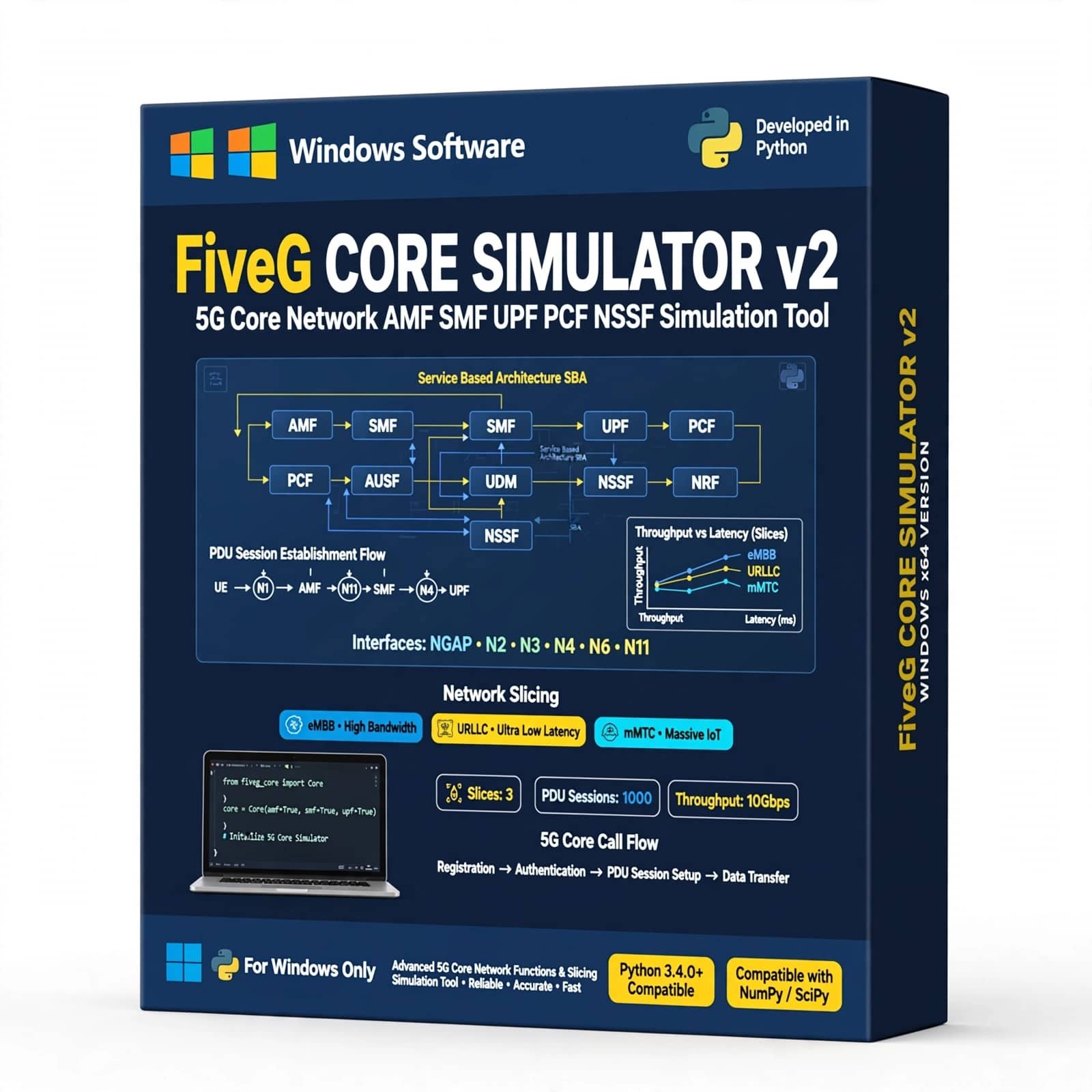
FiveG Core Simulator v2 is an educational 5G Core Network simulation tool designed to help students, educators, researchers, and telecom professionals understand 5G core architecture, network functions, signaling procedures, latency, and protocol interactions through an interactive topology and signaling animation environment.
₹19,999.00 -
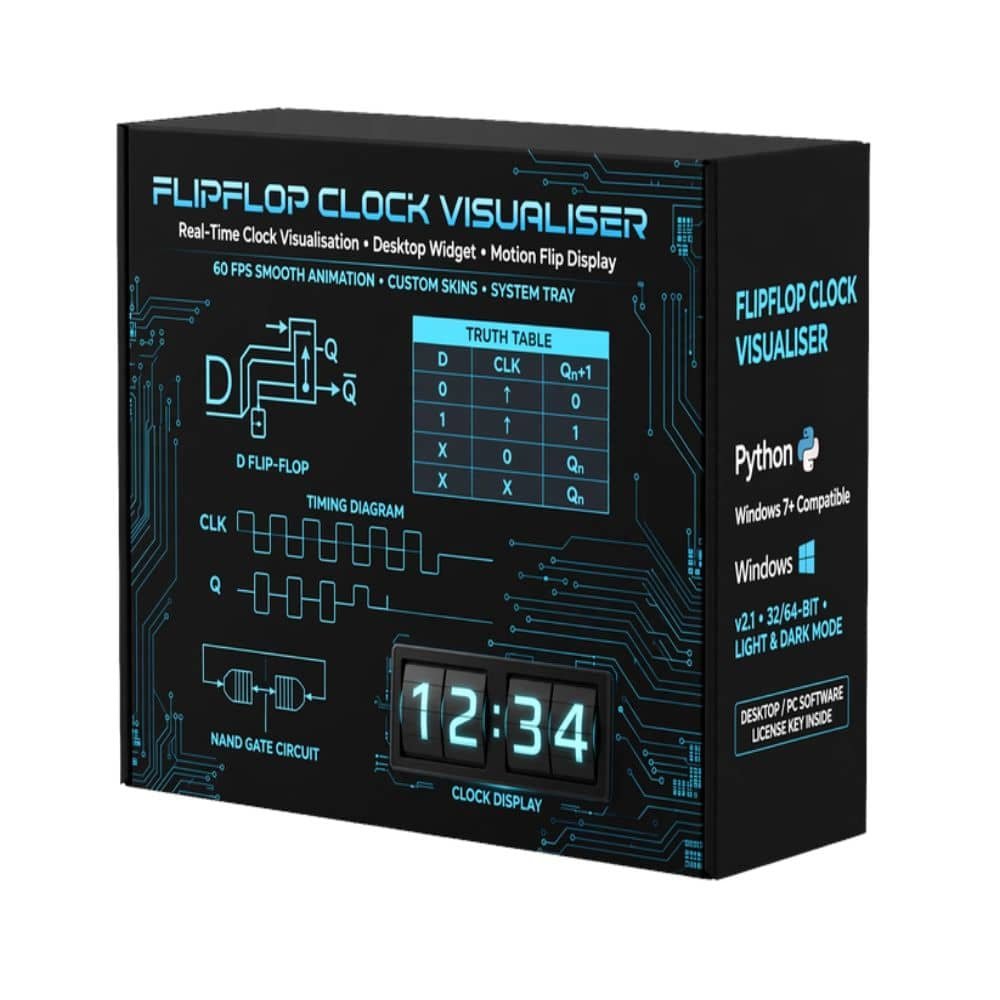
Flipflop Clock Visualiser with Python is a practical educational project that combines Python programming, digital clock visualisation, flip-flop concepts, and sequential logic. Ideal for students, beginners, engineering learners, and electronics enthusiasts, this project provides an engaging way to understand timing, digital states, counters, and programming through a visual application.
Original price was: ₹750.00.₹100.00Current price is: ₹100.00. -
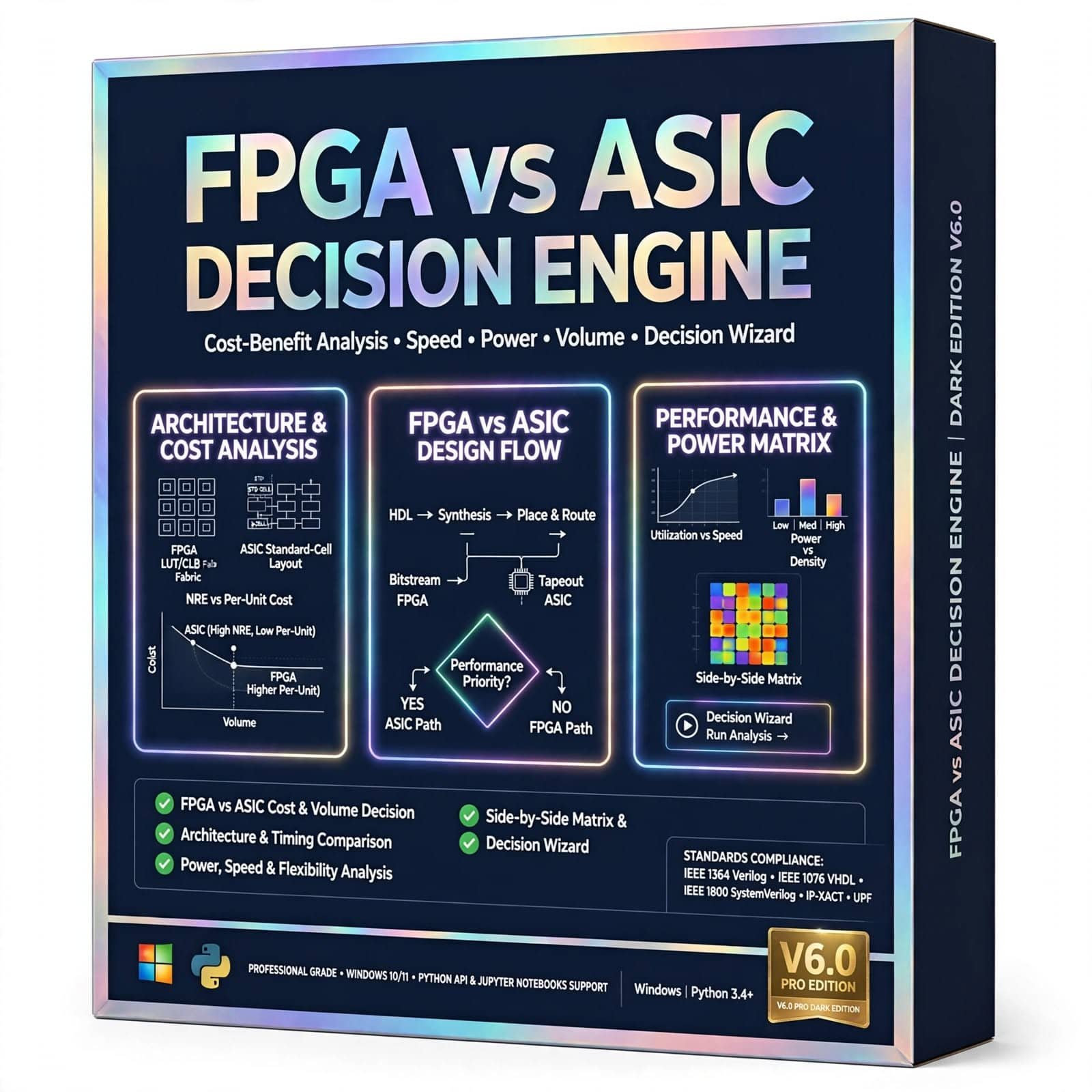
FPGA vs ASIC Decision Engine with Python is a practical decision-support tool for evaluating whether an FPGA or ASIC is the better fit for your hardware design project. Built with Python, this solution helps compare key factors such as development cost, performance, power consumption, flexibility, production volume, time-to-market, and implementation requirements.
Ideal for engineers, embedded systems developers, hardware designers, students, researchers, and technology teams, the FPGA vs ASIC Decision Engine provides a structured approach to hardware platform selection and helps turn complex design trade-offs into a clear, data-driven comparison.
Original price was: ₹750.00.₹150.00Current price is: ₹150.00. -
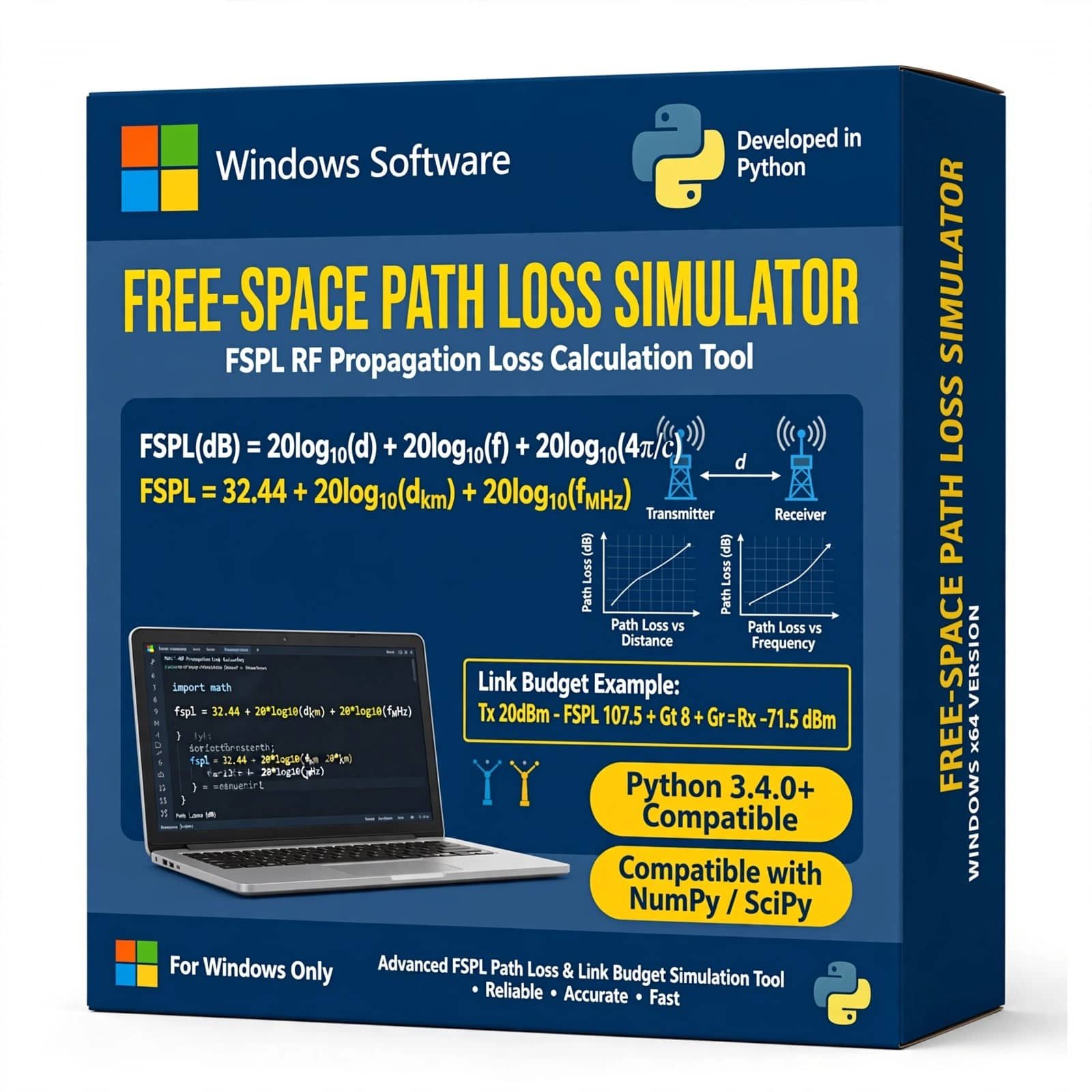
Free Space Path Loss Simulator Using Python is a practical wireless communication simulation project designed to calculate and visualize signal power loss as a radio wave travels through free space. Developed using Python, this simulator helps students, researchers, and communication engineers understand Free Space Path Loss (FSPL), transmission distance, frequency, received signal power, and wireless link performance.
The project provides an easy-to-understand simulation environment for analyzing how distance and operating frequency affect signal propagation. It is suitable for B.Tech, M.Tech, engineering students, academic projects, wireless communication studies, RF analysis, and Python-based simulation projects.
₹1,999.00 -
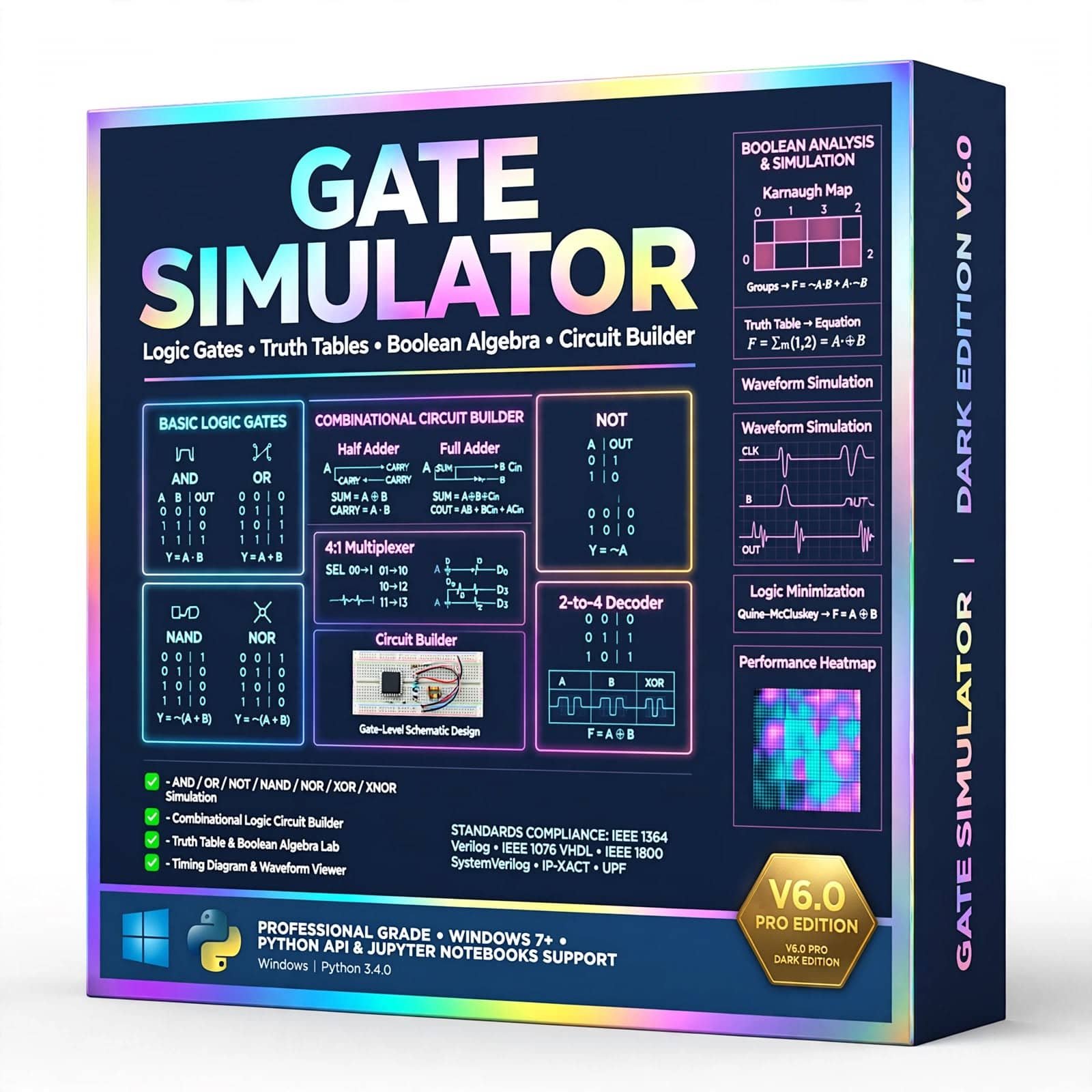
Gate Simulator with Python 3.4.0 is an educational digital logic simulation project designed to help users understand and experiment with fundamental logic gates. The simulator provides a practical way to explore gate behavior, Boolean logic, truth tables, and digital signal combinations using Python.
Ideal for electronics students, digital logic learners, engineering educators, beginners in programming, and hardware enthusiasts studying AND, OR, NOT, XOR gates and the fundamentals of digital circuit design.
Original price was: ₹750.00.₹100.00Current price is: ₹100.00. -
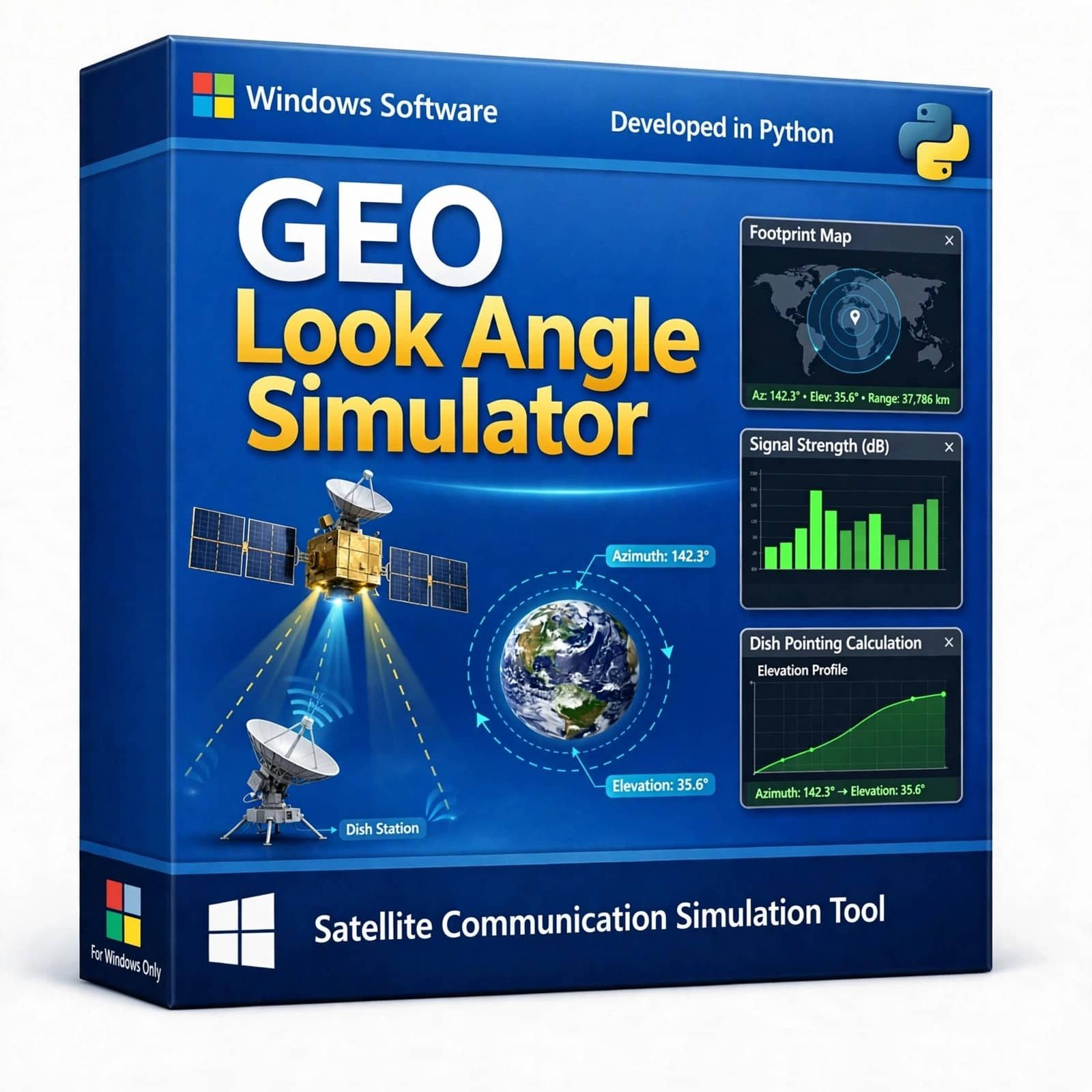
GEO Look Angle Simulator is a Python-based satellite analysis tool for calculating azimuth, elevation, and look angles from a ground station to a geostationary (GEO) satellite. Ideal for satellite communication, antenna pointing, RF engineering, and orbital analysis.
Original price was: ₹199,999.00.₹19,999.00Current price is: ₹19,999.00. -
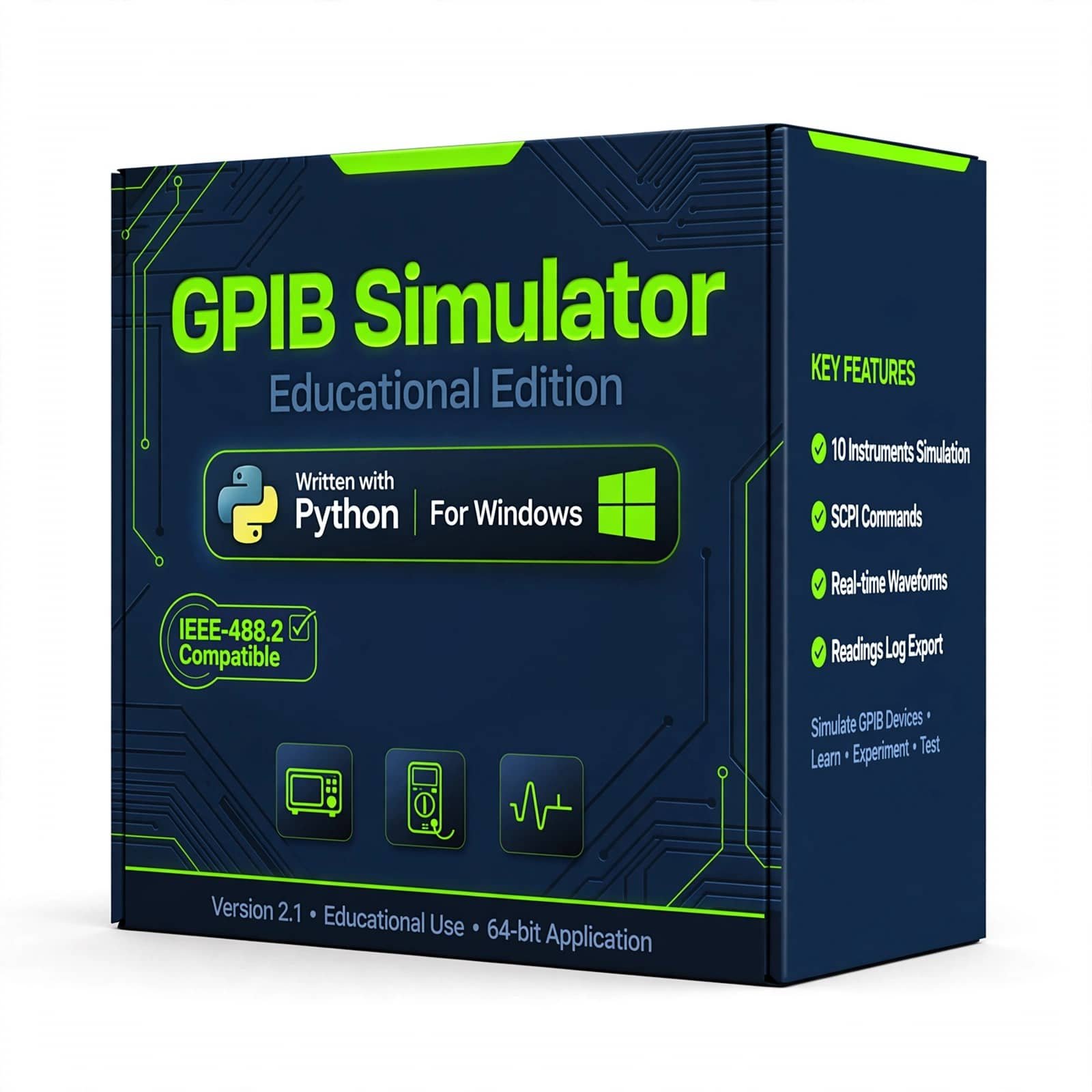
GPIB Simulator with Python is a practical software solution for simulating GPIB/IEEE-488 instrument communication using Python. Ideal for electronics engineers, test and measurement professionals, automation developers, researchers, students, and laboratories, it helps you develop and test GPIB-based applications without requiring physical instruments during every stage of development. Build, test, debug, and automate instrument communication using a flexible Python-based simulation environment.
Original price was: ₹24,999.00.₹11,999.00Current price is: ₹11,999.00. -
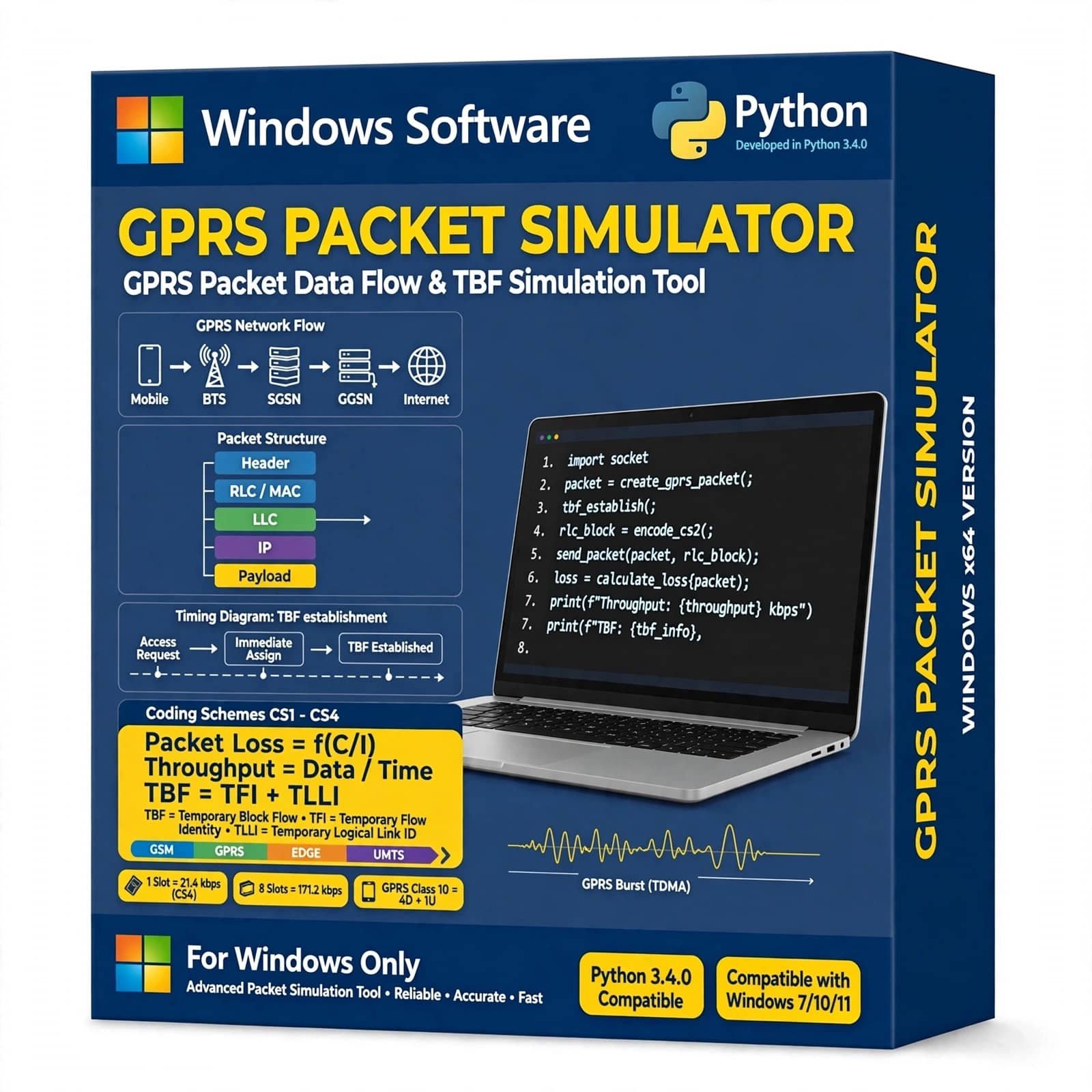
GPRS Packet Simulator is a powerful software solution for simulating GPRS data packets and testing GSM/GPRS communication systems. It helps developers, engineers, and testing teams generate, analyze, and validate packet-based communication in a controlled environment without requiring extensive physical network infrastructure. Ideal for GPRS testing, protocol development, IoT applications, and telecom system validation.
₹3,999.00 -
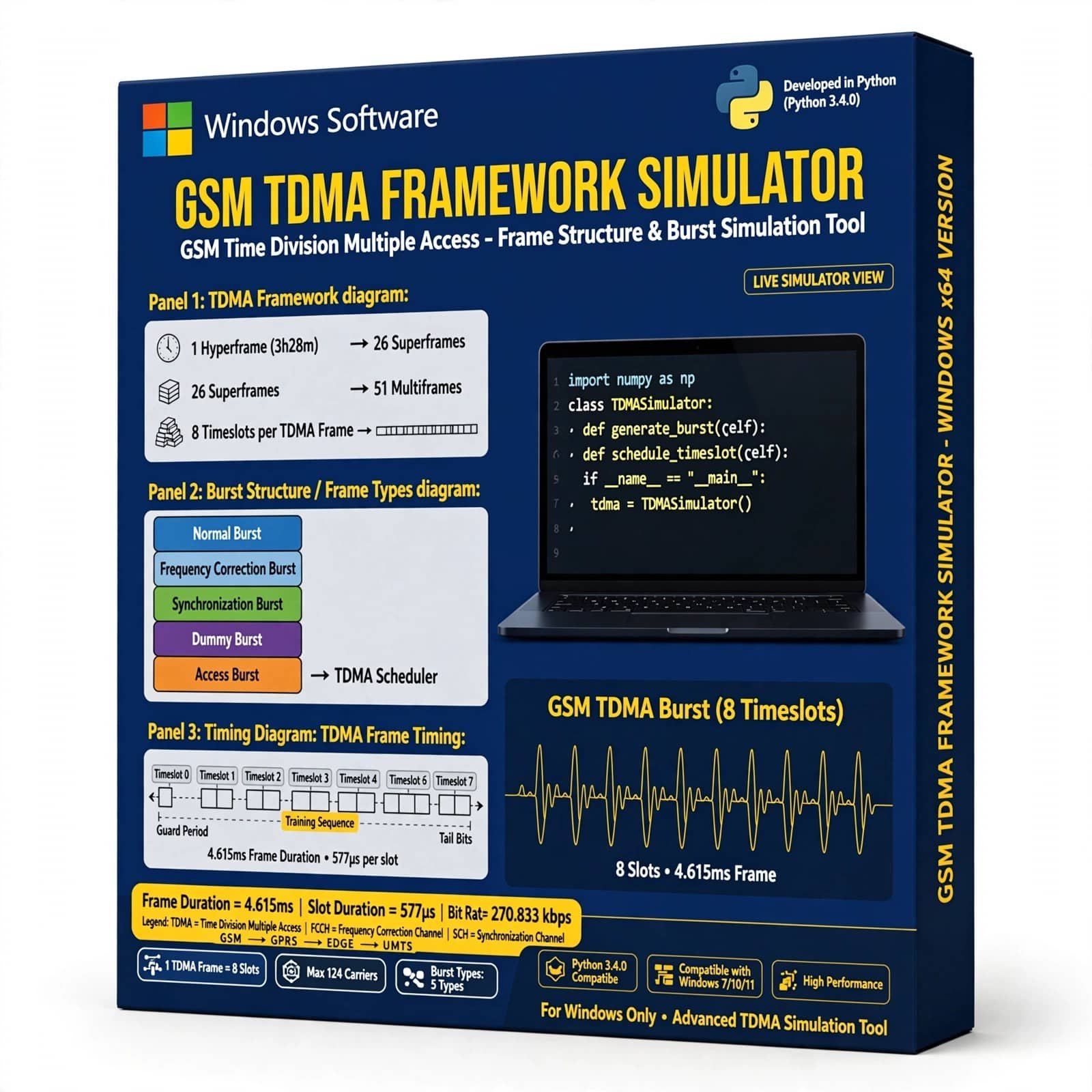
GSM TDMA Framework Simulator with Python is a telecom simulation solution for studying GSM Time Division Multiple Access (TDMA), frame structures, time-slot allocation, channel access, and wireless communication concepts using Python. It is suitable for students, researchers, telecom engineers, universities, and laboratories for GSM training, communication-system simulation, protocol studies, and academic projects.
Original price was: ₹750.00.₹250.00Current price is: ₹250.00. -

GSM TDMA Simulator with Python is a software-based telecom simulation tool for studying GSM Time Division Multiple Access (TDMA), time-slot allocation, GSM frame structures, channel sharing, and wireless communication concepts. Developed using Python, it is suitable for students, researchers, telecom engineers, universities, and laboratories for GSM education, practical experiments, network simulation, and academic projects.
₹3,999.00